
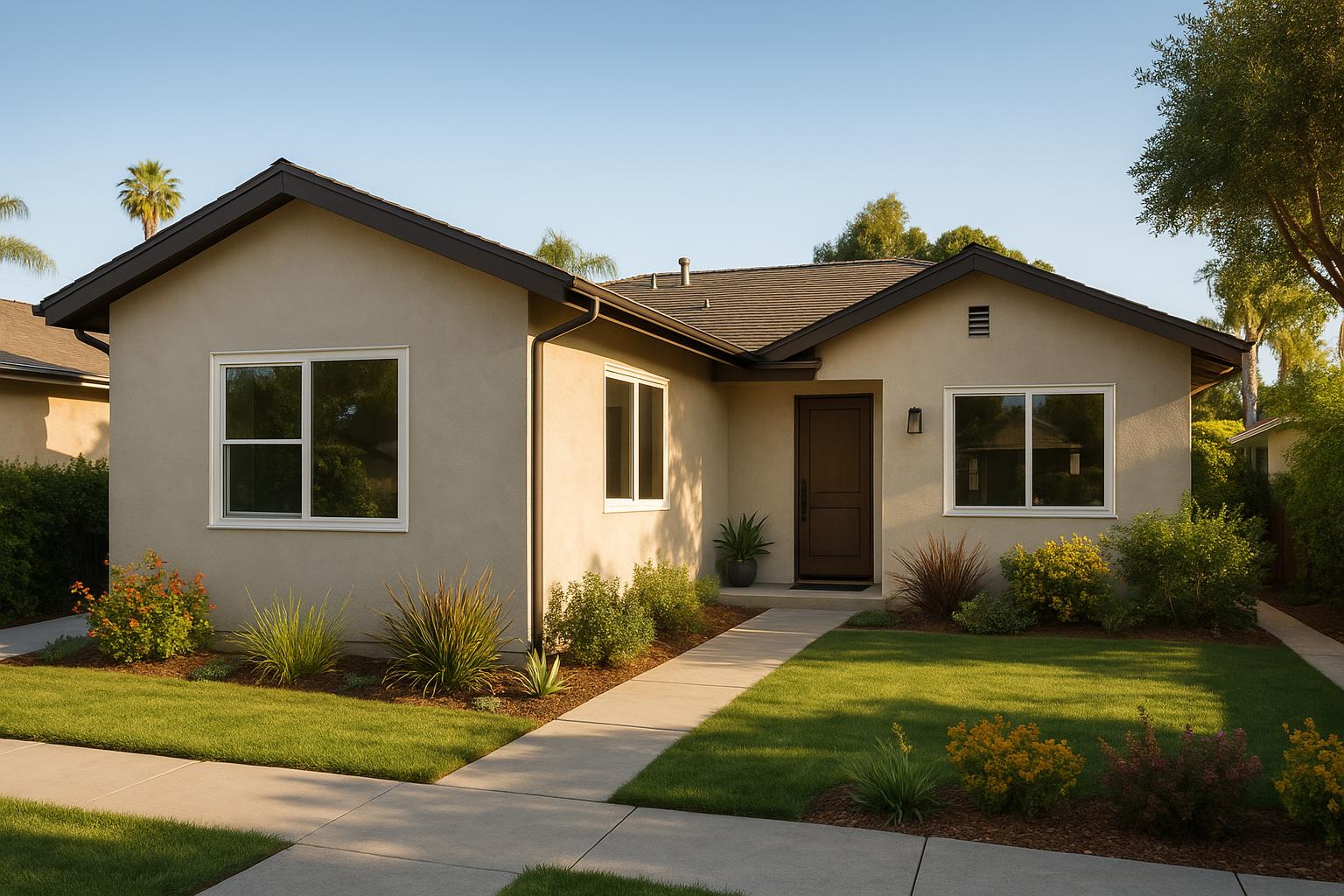
Why San Diego Homeowners Are Adding Rooms Instead of Moving
San Diego's housing market has made it increasingly difficult for families to simply pick up and move when they need more space. Between rising home prices, competitive bidding wars, and the emotional cost of leaving a neighborhood you love, many homeowners are choosing to expand their current homes instead. A well-planned room addition can give you the square footage you need while building equity in a property you already own.
But room additions are among the most complex remodeling projects a homeowner can take on. They involve structural engineering, foundation work, roofing, electrical, plumbing, and navigating the City of San Diego's permitting process. Without a clear plan, costs can spiral quickly. Here's how to approach a room addition the right way — so you get the space you need without the financial headaches.
Step 1: Define the Purpose of Your Addition
Before you start thinking about square footage or finishes, get crystal clear on why you need the extra space. The purpose of the room will drive every decision that follows, from layout to budget allocation.
- Growing family: An extra bedroom or expanded living area can accommodate kids, aging parents, or a home office that's become permanent.
- Rental income: An accessory dwelling unit (ADU) or guest suite can generate monthly income, which is especially popular in areas like La Mesa and Chula Vista.
- Lifestyle upgrade: A sunroom, home gym, or expanded primary suite can dramatically improve your daily quality of life.
- Resale value: Adding functional square footage is one of the most reliable ways to increase your home's market value in San Diego's competitive real estate landscape.
Once you know the purpose, you can make smarter decisions about where to invest and where to save.
Step 2: Understand San Diego's Permitting and Zoning Requirements
This is where many homeowners get tripped up. Room additions in San Diego require building permits, and depending on your neighborhood, you may also need to comply with specific zoning regulations, setback requirements, and height restrictions. Coastal communities like Encinitas and Carlsbad may have additional overlay zones that affect what you can build.
Key things to research or discuss with your contractor early on include:
- Setback requirements: How close your addition can be to property lines.
- Lot coverage limits: The maximum percentage of your lot that can be covered by structures.
- HOA restrictions: If you live in a planned community, your homeowners association may have rules about exterior modifications.
- Title 24 energy compliance: California's energy code requires that new construction meets strict efficiency standards, which affects insulation, windows, and HVAC planning.
Skipping the permit process is never worth the risk. Unpermitted work can result in fines, forced removal, and serious complications when you eventually sell your home.
Step 3: Set a Realistic Budget (and Build in a Contingency)
Room additions in San Diego typically range from $250 to $450 per square foot, depending on the complexity of the project and the level of finishes you choose. A straightforward 200-square-foot bedroom addition will cost significantly less than a 400-square-foot primary suite with an en-suite bathroom and walk-in closet.
Here's a general breakdown of where your budget goes:
- Foundation and structural work: 20-30% of total cost
- Framing, roofing, and exterior: 15-25%
- Electrical, plumbing, and HVAC: 15-20%
- Interior finishes (drywall, flooring, paint, fixtures): 20-30%
- Permits, design, and engineering: 5-10%
The most important budget rule? Always set aside 10-15% as a contingency fund. Even with meticulous planning, surprises happen — especially in older San Diego homes where opening up walls can reveal outdated wiring, plumbing issues, or structural concerns that need to be addressed before new construction can proceed.
Step 4: Choose Between Building Out and Building Up
If your lot size allows it, building out (a ground-floor addition) is typically less expensive because it avoids the structural reinforcement needed to support a second story. However, if your yard space is limited — which is common in neighborhoods throughout El Cajon and older parts of San Diego — building up may be your only option.
Each approach has trade-offs:
- Building out is generally faster and less disruptive to your daily life during construction, but it reduces your outdoor space.
- Building up preserves your yard and can offer better views, but it requires more extensive engineering and usually costs 20-40% more than a comparable ground-level addition.
A good remodeling contractor will help you evaluate both options based on your property, your goals, and your budget.
Step 5: Hire a Contractor Who Manages the Entire Process
Room additions involve coordinating multiple trades — concrete, framing, electrical, plumbing, roofing, drywall, flooring, and more. Trying to manage these subcontractors yourself is a full-time job, and miscommunication between trades is one of the most common reasons projects go over budget or fall behind schedule.
When evaluating contractors, look for these qualities:
- Licensed and insured: Verify their California contractor's license through the CSLB website.
- Experience with additions: Not every remodeling company handles structural work. Ask specifically about room addition experience.
- Transparent pricing: You should receive a detailed, itemized estimate — not a vague ballpark number.
- Clear communication: Your contractor should explain the timeline, the permitting process, and what to expect at every phase of the project.
- Local knowledge: A contractor familiar with San Diego's building department, local inspectors, and regional building practices will save you time and frustration.
At Blackstone Remodeling Co, we handle room additions from initial design through final inspection. We manage the permits, coordinate every trade, and keep you informed throughout the process so there are no surprises.
Step 6: Plan for How You'll Live During Construction
One detail homeowners often overlook is the practical reality of living in a construction zone. Depending on the scope of your addition, you may be dealing with noise, dust, limited access to parts of your home, and workers on-site for several weeks or months.
A few tips to make the process smoother:
- Discuss the construction schedule upfront so you can plan around major milestones.
- Set up a temporary workspace or living area if the addition affects rooms you use daily.
- Communicate with your contractor about hours of work and site cleanliness expectations.
- If you have pets or young children, establish safe zones away from the construction area.
The Bottom Line
A room addition is a significant investment, but when it's planned carefully, it's one of the smartest moves a San Diego homeowner can make. You get the space you need, you stay in the neighborhood you love, and you add lasting value to your property.
The key is starting with a clear plan, understanding the local requirements, setting a realistic budget, and working with a contractor who takes ownership of the entire project. If you're considering a room addition and want to talk through your options, Blackstone Remodeling Co is here to help you figure out the best path forward for your home and your family.